I don't think intelligence really exists in the way we talk about it.
First of all, if you feel like you "aren't smart," I have good news for you: anyone can be smart. By some definitions, everyone is smart already - and we'll get to that. But intelligence is a skill, and skills are something you can practice. How do you practice being smart? Two ways: problem solving, and educating yourself. That's it. In most cases, intelligence is really synonymous with education. And right now you live in a golden age of educational access; if you're reading these words right now, you have access to literally thousands, if not millions, of sources of good information. That includes wikipedia articles, online classes, web forums full of experts, online libraries and bookstores.
You might need to learn how to learn. Truthfully, if you went to American public school (and, likely, non-American public school) then you probably learned how to cram answers for a test but you probably didn't learn how to learn. Don't worry. There's resources for that, too. Here's a super-quick-start guide I drummed up a few months ago. There are way more learning and memory techniques you can learn from there, but if literally nobody has ever taught you how to study, that should have good tips.
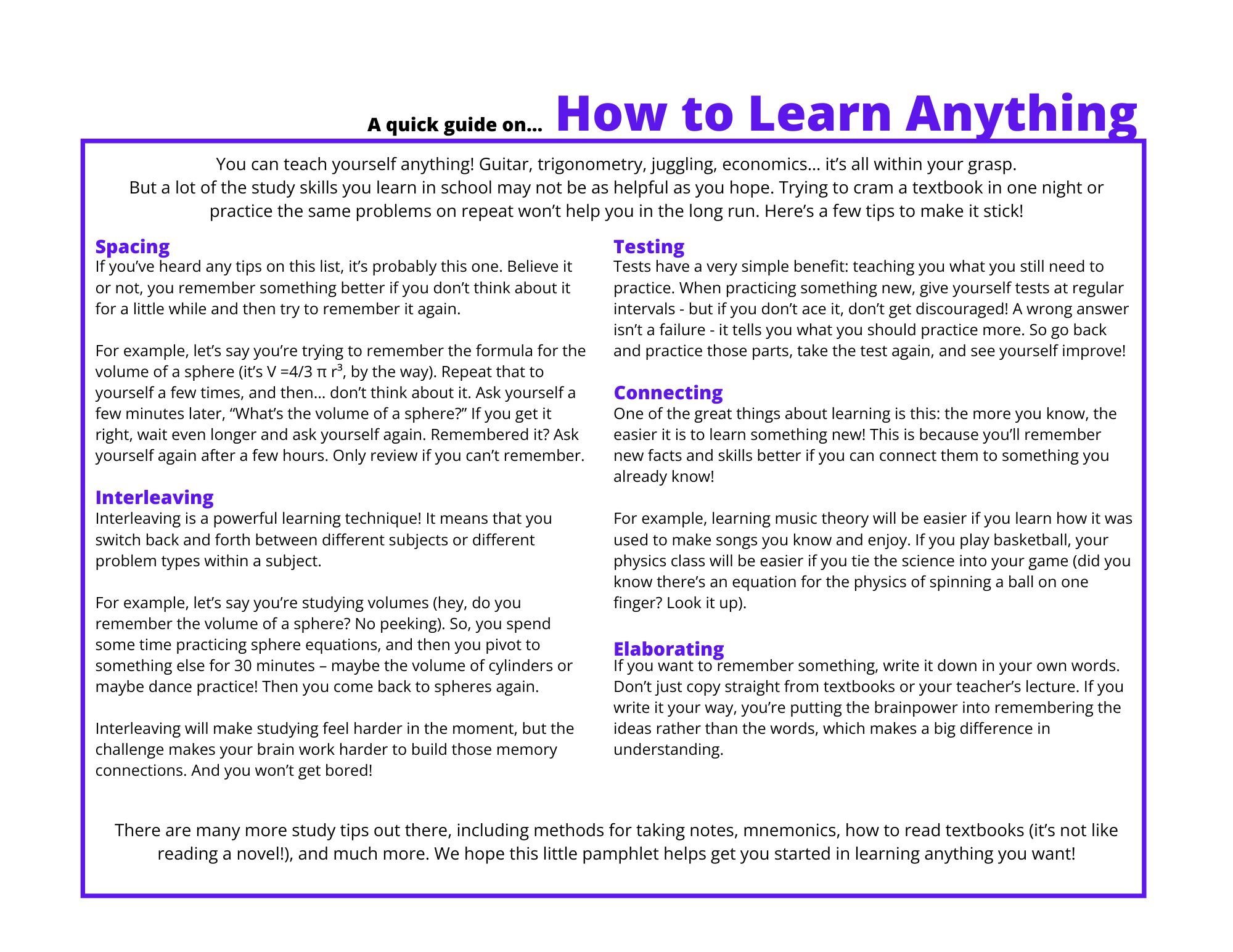
Learning only gets easier the more you do it. It's actually one of the most beautiful things about self-education: the more you learn, the more connections you make between things you learn, which in turn makes it both easier to remember those things and learn new things. The more you learn, the more you learn. Wild, right?
So if you wanna be smart, learn to learn, then learn a bunch more. Sounds simple.
Alright, what was I saying earlier about how intelligence doesn't really exist? Yeah. If you look into measures of intelligence, they're not exactly objective. They're both highly subjective and extremely narrow, to the point of being arbitrary.
I probably don't need to point out that when it comes to measuring intelligence across all living things, we humans tend to assume that we are the most intelligent. Therefore, we measure everything else by how human-like they behave. Of course, what it means to be human has been a subject of debate for thousands of years, so, even if we are objectively the most intelligent species on Earth, can we really know how to measure that? I don't think so, but others do. They tend to equate intelligence with things like problem-solving, tool-use (as an extension of problem-solving), skill-building, and language. But, again, only within the narrow definition of what reminds them of humanity - did you know archer fish teach their young to spit water at flying prey? That's problem-solving, skill-building, and even tool-use if you stretch the definition a little. Do we consider archerfish intelligent? No. Humans don't spit water at prey.
I probably don't need to point out how this applies to AI chatbots, either. I will contain myself - I don't want this becoming a whole rant about chatbots.
In any case, when people call you "smart" (or "stupid"), they aren't usually comparing you to archerfish or elephants. They're usually comparing you to other humans. How do we measure intelligence between humans?
Depends on who's doing the measuring. When we use the word "smart" casually, we typically use it in one of two situations: when one person knows or understands something that others don't, or when one person knows or understands something that others do and that something is considered "common knowledge." Likewise, a "stupid" person, speaking casually, is someone who doesn't know or understand something that others do.
The problem with this everyday usage is that those definitions apply to literally every human being on the planet. Everyone knows something that someone else doesn't; everyone lacks knowledge that someone else does. Consider me, right? Some people consider me a genius because I know a bunch of random trivia, and some people consider me an idiot because I can't fix a car. I am not the only person who is simultaneously genius and idiot; it follows that, given the highly variable levels of life skills, experience, and knowledge, that every person must be both smart and stupid. And if everyone is both smart and stupid, then those words aren't meaningful descriptors of anyone at all.
Ah, but coloquial definitions and scientific definitions are rarely the same thing. What about measures of intelligence, like IQ tests?
Speaking bluntly, IQ is a bullshit statistic. Rather than measure general intelligence, IQ measures the ability to perform on a specific sort of test - a specific sort of test that you can practice for. Indeed, populations of students who have been given instruction on how to take an IQ test, in addition to taking practice tests before the actually exam, tend to do better. There's actually an entire cultural component to doing well on IQ tests, as well, but I don't feel confident in speaking on it. I recommend doing a little research into it yourself.
But the point is, IQ is perceived as measuring some form of innate intelligence. This simply cannot be true if you can practice for it, or if test-taking strategy affects the results, or if something like the school norms of your culture have a noticeable impact on results.
I could go on, but I think you get the point. I might tidy up this ramble in the future, but I hope it helped in its current state.